Most English Courses Don’t Fail Because of Students
They Fail Because of the System and that’s exactly what we do differently.
Let’s be honest.
Most people don’t fail at learning English.
They sit in lessons.
They complete exercises.
They learn grammar.
They pass levels.
And yet…
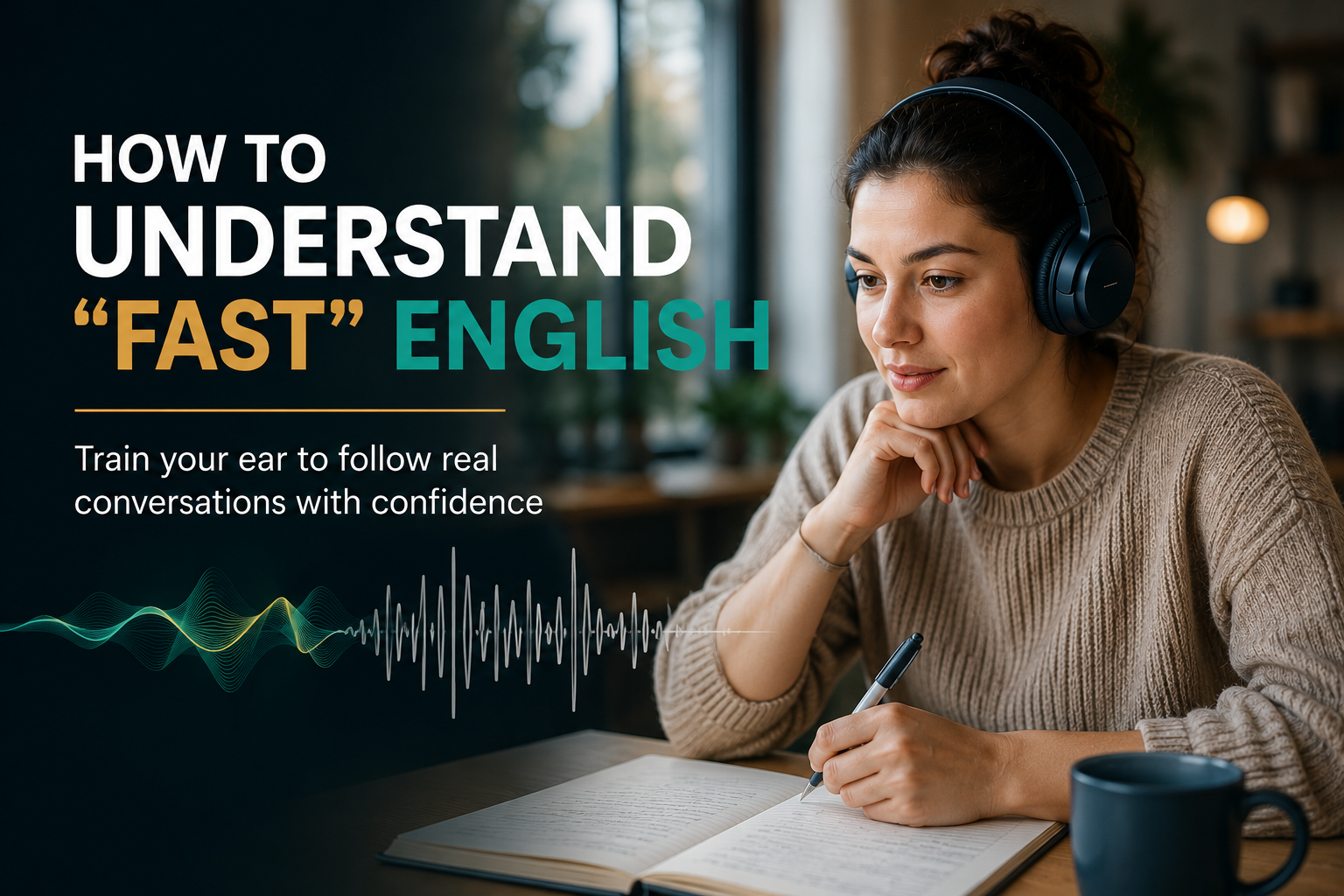
How to Understand “Fast” English (Without Subtitles)
Train your ear to follow real conversations with confidence.
Have you ever watched a film or listened to someone speaking English and thought:
“I know these words… so why don’t I understand?”
You’re not alone.
Many learners can understand English in lessons or slow speech — but struggle when people speak naturally and quickly.
The good news?
It’s not about learning more vocabulary.
It’s about training your ear to recognise real spoken English.
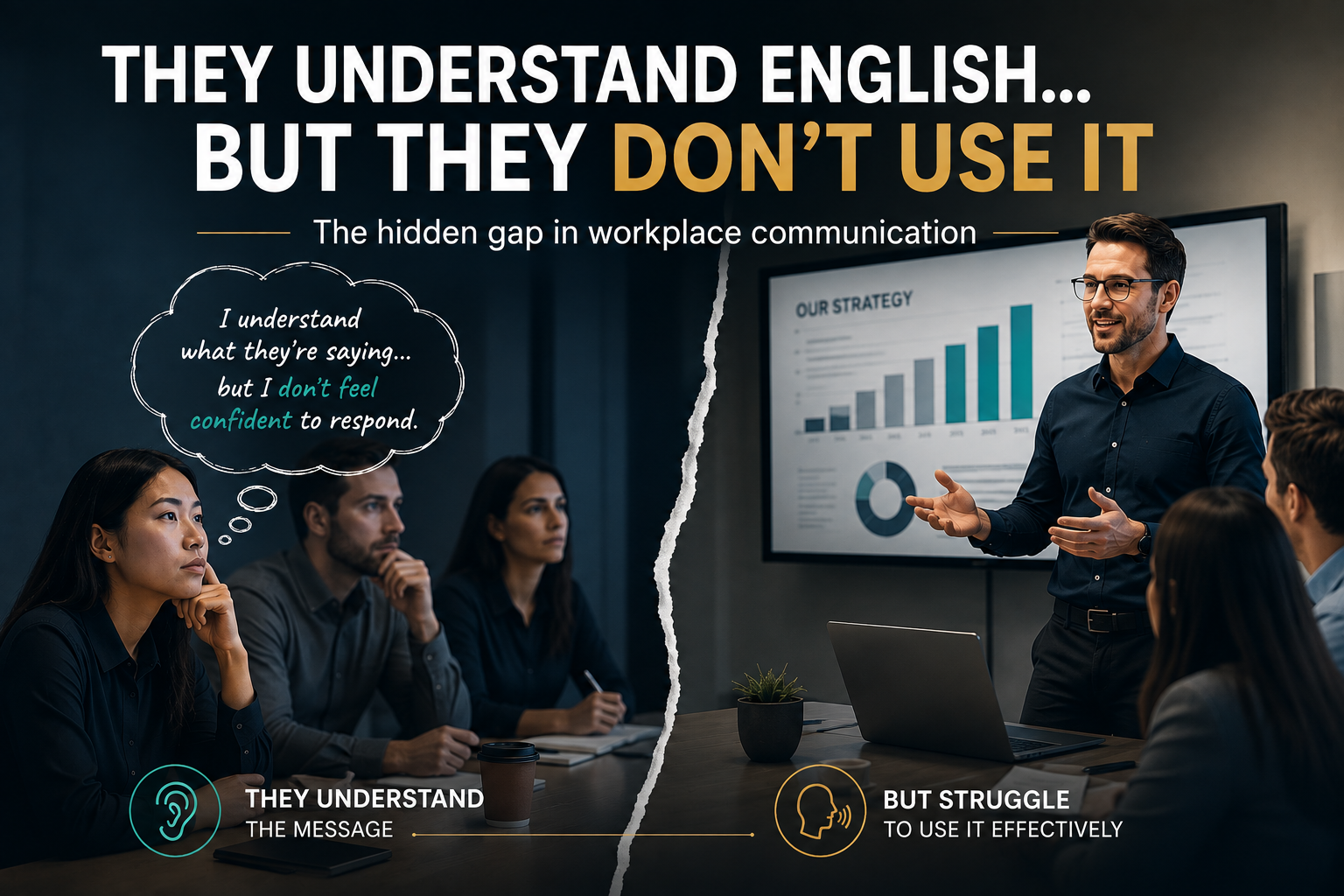
Why Your Team Understands English… But Struggles to Use It
Many companies assume that if their team can understand English, they can also use it effectively.
On paper, everything looks fine. Employees attend meetings, read emails, and follow conversations. But in reality, something is missing.
They hesitate to speak.
They avoid contributing.
They keep communication simple — sometimes too simple.
This gap between understanding and using English is one of the most common challenges in international workplaces — and it often goes unnoticed until it starts affecting performance.
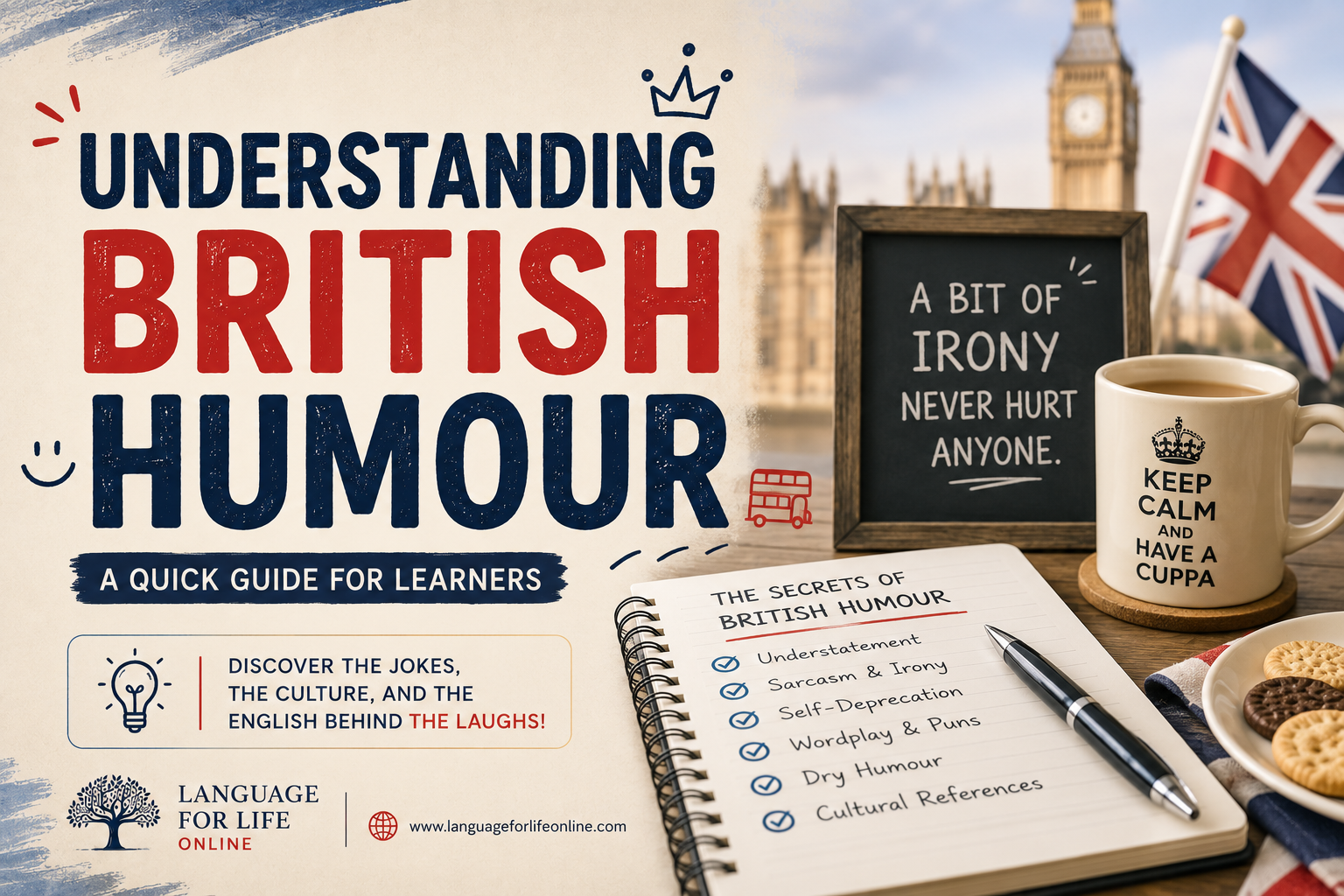
Understanding British Humour: A Quick Guide for Learners
If you’ve ever watched a British TV show and thought, “I don’t get it!” — you’re not alone.
British humour can be tricky to understand at first, even for advanced English learners. It’s full of sarcasm, irony, understatement, and cultural references that don’t always translate directly.
But don’t worry — once you understand the basics, you’ll start to see the joke and enjoy one of the most unique parts of British culture.
Excelling at Cambridge C2 Proficiency: Strategies for Mastering the Highest Level of English
The Cambridge C2 Proficiency exam is not just about knowledge of English—it’s about
demonstrating mastery. At this level, you’re expected to handle complex ideas, sophisticated arguments, and subtle nuances in both written and spoken English. Success requires precision, flexibility, and the ability to communicate with confidence across professional, academic, and social contexts.
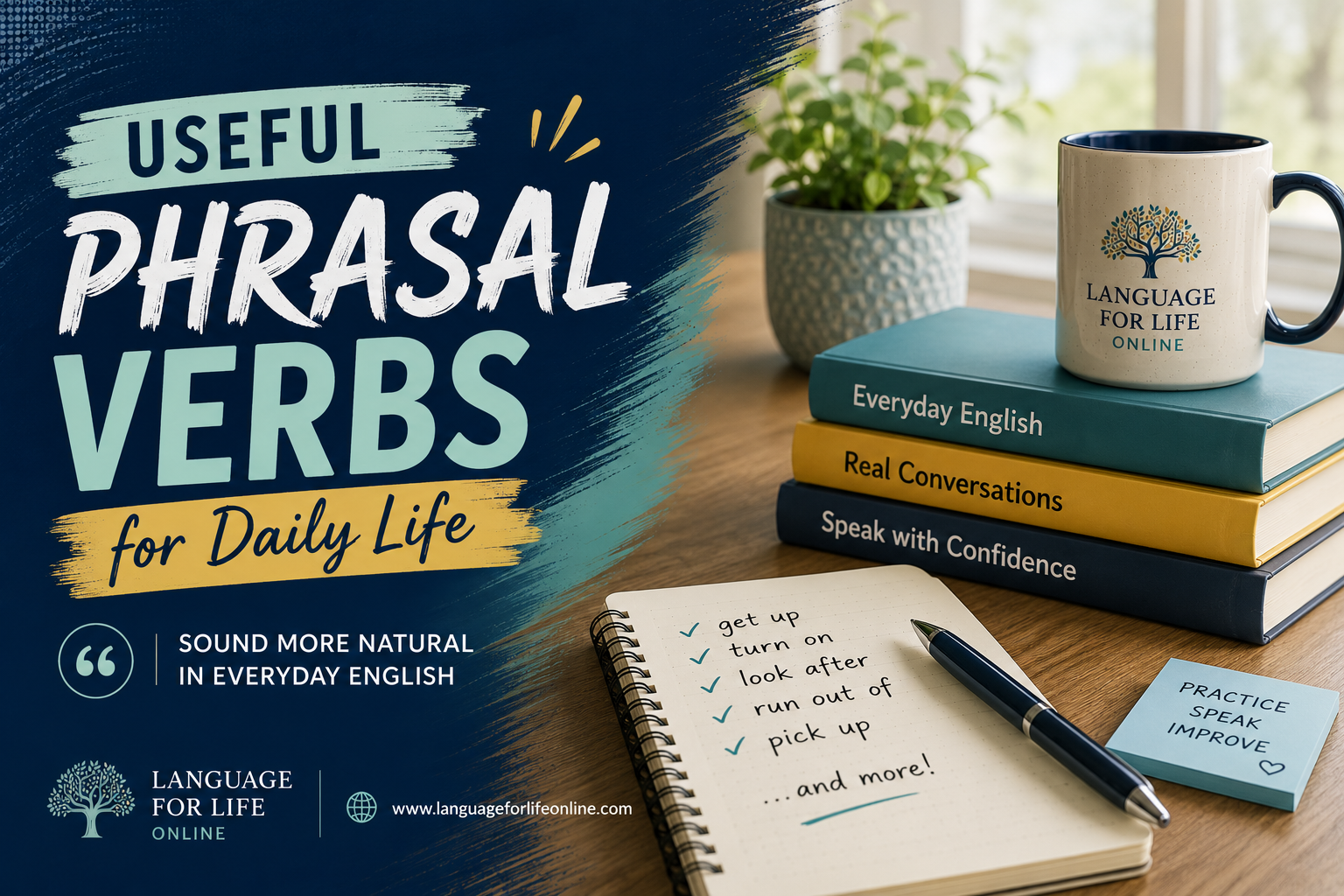
Useful Phrasal Verbs for Daily Life
Sound More Natural in Everyday English
Phrasal verbs are everywhere in English. You’ll hear them in conversations, read them in emails, and see them in TV shows and songs.
But they can be tricky — because their meanings often aren’t obvious from the words themselves!
Learning common phrasal verbs helps you sound more fluent and understand English the way native speakers really use it.
Here are some of the most useful phrasal verbs for daily life, with simple examples and tips.
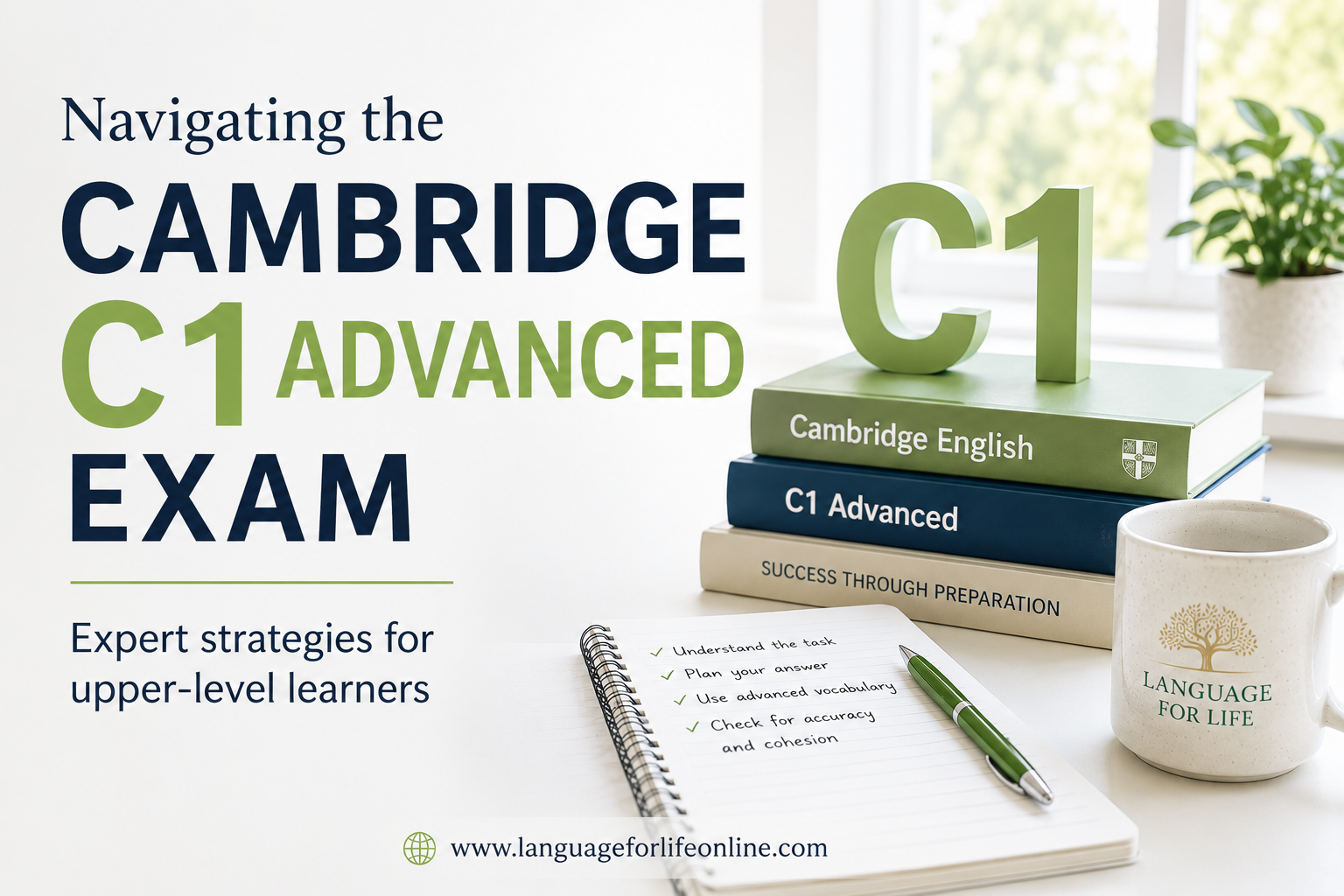
Navigating the Cambridge C1 Advanced Exam: Expert Strategies for Upper-Level Learners
The Cambridge C1 Advanced exam challenges learners to demonstrate high-level English proficiency in academic, professional, and social contexts. At this level, it’s not enough to understand English—you need to communicate with nuance, accuracy, and style. This guide goes beyond basic tips, offering practical strategies and insights to help you excel in each section.

🎬 Top 10 Films to Help You Learn English Naturally
Learning English doesn’t have to mean textbooks and grammar exercises. One of the most effective — and enjoyable — ways to improve your English is by watching films.
Films expose you to real conversations, natural pronunciation, and everyday vocabulary in context. Whether you’re learning for work, study, or life in an English-speaking country, the right films can significantly boost your confidence and understanding.
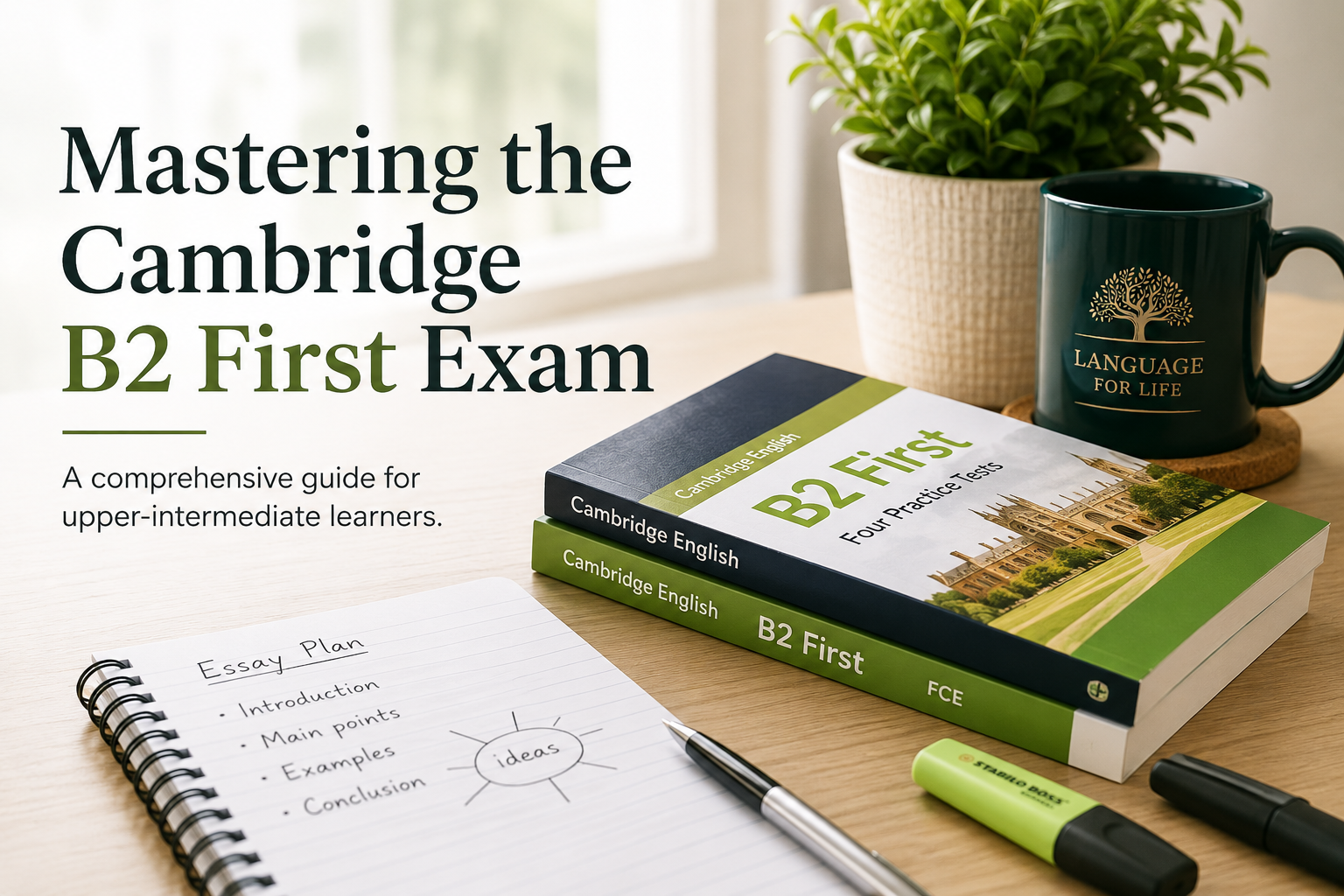
Mastering the Cambridge B2 First Exam: A Comprehensive Guide for Upper-Intermediate Learners
Preparing for the Cambridge B2 First (FCE) exam can feel daunting, but with the right strategies, you can approach each section confidently and maximise your score. At B2 level, the exam tests not only your knowledge of English grammar and vocabulary but also your ability to communicate clearly and effectively in real-life contexts. Here’s a detailed guide to help you succeed.

English in Everyday British Life — From the Pub to the Supermarket
Learning English isn’t only about grammar and exams — it’s also about understanding how people really speak day to day. Whether you’re chatting with friends at the pub, ordering your morning coffee, or asking for help in the supermarket, using natural English can make every moment feel more confident and enjoyable.
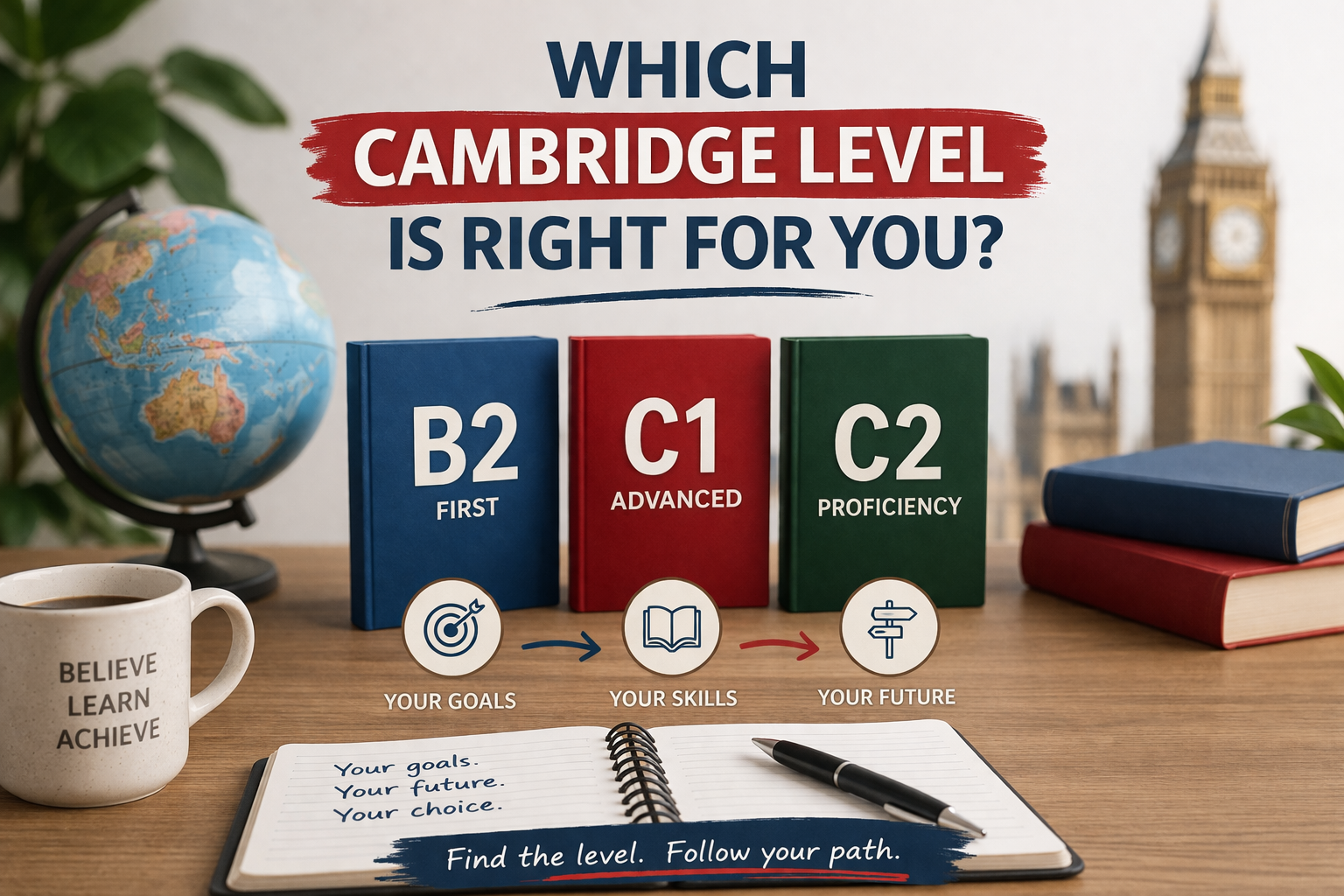
Which Cambridge Exam Should You Take? B2, C1, or C2?
Choosing the right Cambridge English exam depends on your current level, your goals, and where you want your English to take you. Here’s a simple guide to help you decide.
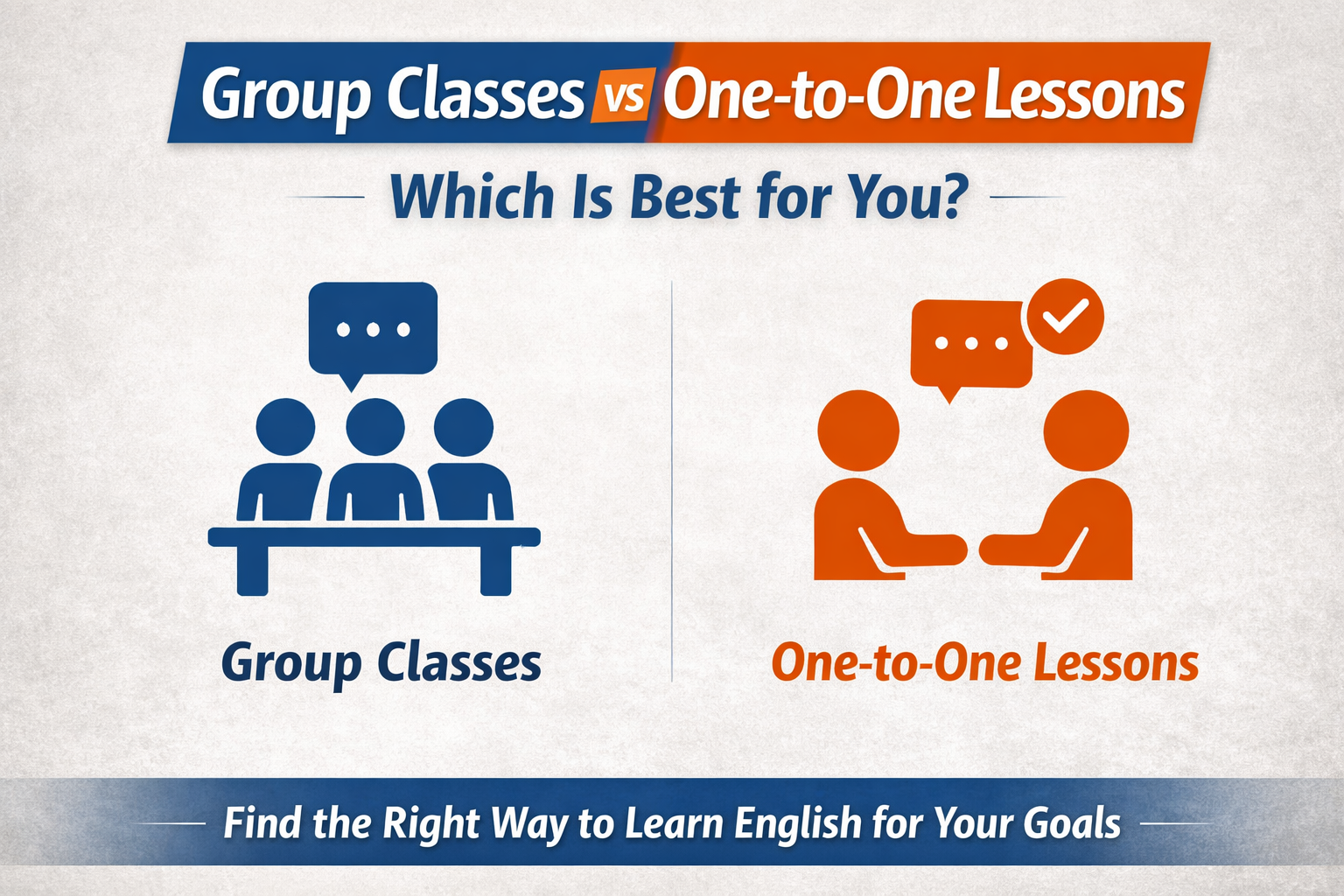
Group Classes vs One-to-One Lessons — Which Is Best for You?
Find the Right Way to Learn English for Your Goals
When choosing how to study English, one of the biggest decisions is whether to join a group course or take private one-to-one lessons. Both have great benefits — but which option is best for you depends on your learning style, goals, and personality.
Let’s explore the key differences to help you make the right choice.

Why English Training Is a Smart Investment for Your Team
In today’s global market, English isn’t just a language — it’s the key to professional success and confident communication. For companies with international clients, partners, or colleagues, investing in English training for employees is one of the smartest long-term decisions you can make.
Here’s why.

Essential Phrases for Business Meetings in English
Sound Professional and Confident in Every Meeting
Whether you’re joining an online meeting or sitting around a boardroom table, knowing the right English phrases helps you sound clear, polite, and confident.
From starting the discussion to summarising key points, using natural business English can make meetings smoother and more successful.
Here are some essential phrases you can use in every stage of a meeting.

Top 15 Collocations Every Learner Should Know
Sound more natural and fluent in English by learning words that go perfectly together.
If you want to speak English more naturally, collocations are your secret weapon.
They’re the word partnerships that native speakers use automatically — combinations like make a decision, do homework, or take a break.
Learning collocations helps your English sound smooth, accurate, and confident — not “translated.”
Here are 15 essential collocations every learner should know, with examples to help you remember them.

Boost Your Career with Better English Communication Skills
Strong English skills open doors to global opportunities.
In today’s international workplace, English isn’t just “another language” — it’s a career skill.
Whether you work in business, technology, education, or customer service, your ability to communicate clearly in English can be the difference between staying where you are and moving up.
Here’s how improving your English communication skills can help you grow professionally — and some practical ways to start today.

How to Stay Motivated When Learning English Online
Learning English online is flexible, convenient, and effective — but it can also be challenging to stay motivated over time. Without a teacher in the room or classmates next to you, it’s easy to lose focus or feel stuck.
10 Simple Ways to Improve Your English Every Day
Learning English doesn’t have to mean spending hours studying grammar books or memorising word lists. The best results come from small, consistent steps you take every day. Here are ten simple, effective ways to make English part of your daily life.

How to Think in English — Not Translate!
Unlock fluency by training your brain to think directly in English.
Many English learners say the same thing:
“I can understand English, but when I speak, I have to translate everything in my head!”
If that sounds familiar, you’re not alone.
The good news? You can train your brain to think in English — and once you do, speaking becomes faster, more natural, and more confident.